
ABA therapy is an evidence-based approach that focuses on improving socially significant skills such as communication, behavior, social interaction, and daily living abilities. Each program is individualized and designed to meet the specific needs of the child. Our team provides ABA therapy to children and families at our center in Egg Harbor Township, New Jersey.
ABA therapy can support children with a wide range of strengths, needs, and developmental goals. At Crossroads ABA, treatment begins with understanding your child as an individual — what they can already do, where they may need additional support, what motivates them, and which skills will make the greatest difference in their everyday life.
Depending on your child’s needs, ABA therapy may focus on:
- Communication and language
- Social skills and peer interactions
- Behavioral challenges
- Emotional regulation
- Daily living and self-care
- Attention and task completion
- Play and leisure skills
- Parent and caregiver training
- Generalization of skills across settings
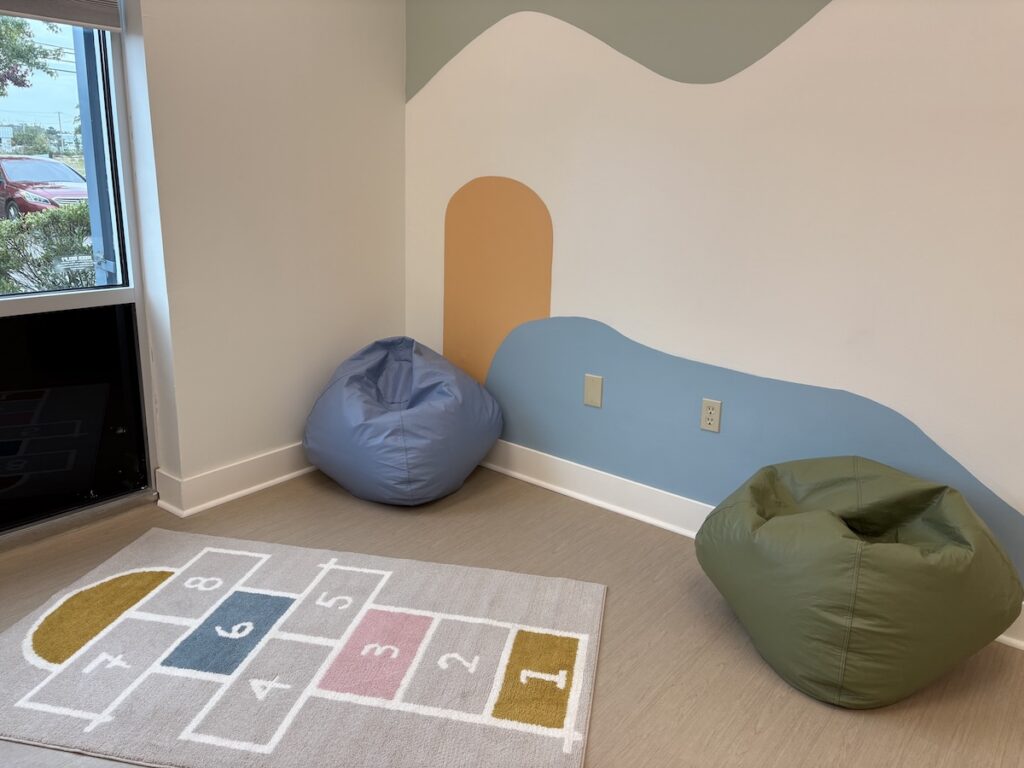
What Does an ABA Therapy Session Look Like?
There is no single ABA session that looks the same for every child. Sessions are built around your child’s individualized treatment plan and may combine structured learning activities with play, social interaction, daily routines, and opportunities to practice skills naturally.
For a younger child, a session might include learning to request a favorite toy, taking turns during play, following simple instructions, transitioning between activities, or building early communication skills. Other children may work on completing routines independently, managing frustration, interacting with peers, or developing skills they can use at school and in the community.
Our goal is not simply to teach a skill during therapy. We want children to be able to use what they learn in real situations and with different people.
Measuring Progress
ABA is a data-driven approach. Our clinical team establishes measurable goals based on each child’s initial assessment and continuously tracks progress throughout treatment.
This information helps the team understand which strategies are working, where adjustments may be needed, and when a child is ready to move on to new goals. Treatment plans are reviewed regularly and evolve as the child develops new skills and priorities change.
Parents and caregivers are also an important part of this process. We communicate with families about progress, challenges, and strategies that can help reinforce skills outside of therapy.
Insurance and Getting Started
Crossroads ABA Center is an out-of-network provider. Many families use their out-of-network benefits to help cover ABA services, and our team will help you verify your benefits and understand what your plan covers before services begin.
ABA therapy is covered by many insurance plans when medically appropriate, although coverage and requirements vary by plan. Our team can help families understand their benefits and the steps required to begin services.
Getting started typically begins with a conversation with our team. We’ll learn more about your child, answer your questions, review insurance information, and discuss whether Crossroads ABA may be a good fit for your family. From there, our clinical team can guide you through the assessment and treatment planning process.
Our ABA programs also include parent and caregiver training, a daytime program for early learners, and school and community support for children who need help using their skills across settings.
Frequently Asked Questions
At what age can a child start ABA therapy?
There is no single starting age. Many children begin in the toddler or preschool years, and others start later, including school-age children. What matters more than age is an individualized assessment by a Board Certified Behavior Analyst, which identifies the skills and needs a treatment plan should target. That said, the earlier the intervention the better, so it is worth starting the conversation sooner rather than later.
How many hours of ABA therapy will my child receive?
Recommended hours come out of the initial assessment and are based on your child’s needs and goals, not a fixed package. The recommendation is then reviewed against what your insurance plan authorizes. Hours are reassessed over time and often change as a child makes progress.
Is ABA therapy covered by insurance in New Jersey?
Many New Jersey health plans provide coverage for ABA therapy for a child with an autism diagnosis, but requirements differ considerably from plan to plan, including diagnostic documentation, prior authorization and annual limits. Our team can review your plan with you and explain what the authorization process involves.
Who will be working with my child?
Your child’s program is designed and overseen by a Board Certified Behavior Analyst (BCBA), who writes the treatment plan, trains the team and reviews progress data. Day-to-day sessions are typically delivered by a behavior technician working under that BCBA’s supervision. Our team works closely with your family to support your child’s development, build meaningful skills, and encourage progress toward greater independence.
How long will my child be in ABA therapy?
Length of treatment varies widely. Some children work on a focused set of goals for a defined period, while others receive services over several years. Progress data is reviewed on an ongoing basis, and the goal throughout is greater independence and a reduced need for support.