
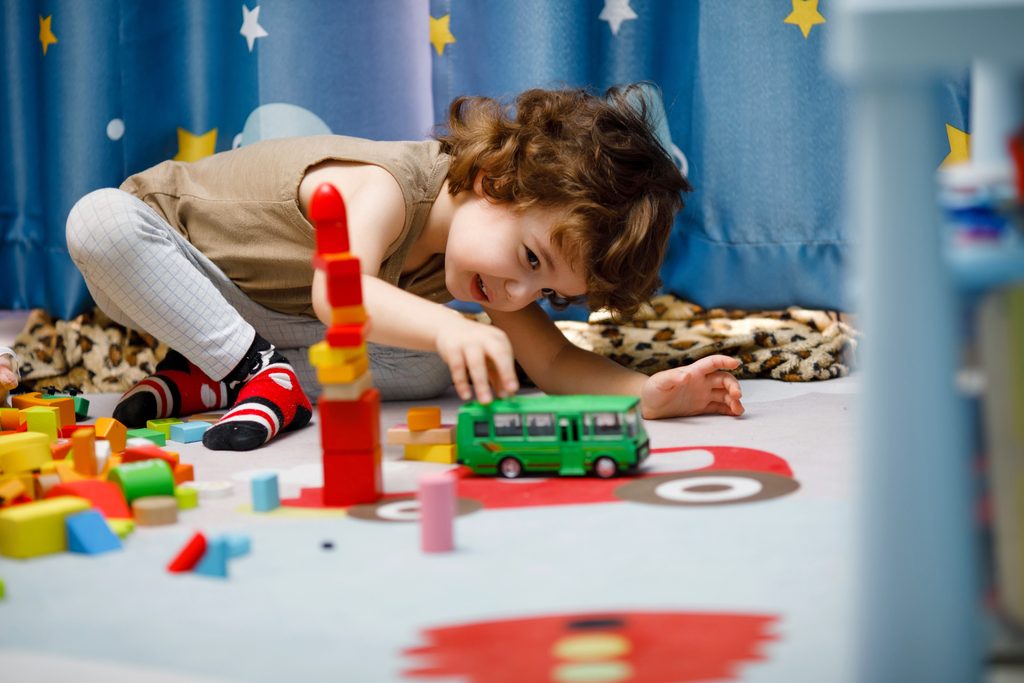
The holidays don’t have to look the same for every family or every child. The holiday season brings joy, laughter, and connection for many —but for children with autism, this time of year can also bring unique challenges. New foods, twinkling lights, crowded spaces, disrupted routines, travel, formal attire, and interactions with unfamiliar people can sometimes feel more overwhelming than festive.
What matters most is creating opportunities for children to feel comfortable, included, and successful in their own way. With preparation, flexibility, and an understanding of each child’s individual needs, families can focus less on expectations and more on making meaningful memories together. Here are nine autism-friendly holiday tips to help your family enjoy a more comfortable and meaningful season.
1. Prepare ahead of time
Unexpected changes can be difficult for children with autism. Preparing your child ahead of time can help reduce uncertainty and make new experiences feel more manageable.
Visual supports, picture schedules, and social stories can introduce upcoming activities and explain what your child can expect. For example, before attending a holiday party, show pictures of the location, people who will be there, and activities that may take place.
2. Plan for Sensory Overload
Holiday celebrations often involve bright lights, loud music, crowded spaces, strong scents, unfamiliar foods, and changes to familiar surroundings. Because every child experiences sensory input differently, consider which environments or activities may be challenging and plan supports accordingly. Try these strategies:
- Be mindful of how lighting and displays might affect your loved one. Leaving parts of your home undecorated or gradually adding decorations over time can help ease the transition.
- Prepare for activities like Christmas light shows or holiday parties by discussing what to expect, using social stories, and bringing sensory supports such as noise-canceling headphones, sunglasses, weighted blankets, or fidget toys.
- Plan, prepare, and practice introducing new foods in low-pressure situations. Allow time for objections and preferences, as trying unfamiliar foods is often more successful outside of special events.
3. Bring Familiar Comfort Items
A new environment can feel more comfortable when your child has something familiar nearby. Pack a small bag with items that help your child feel secure and relaxed.
Depending on your child’s preferences, this might include:
- Favorite toys, books, or stuffed animals
- A tablet with familiar videos or games
- Fidget toys or sensory tools
- Noise-reducing headphones
- A favorite blanket or comfort item
- Preferred snacks and a water bottle
Having familiar items available can provide comfort during family visits, shopping trips, religious services, and other holiday outings. Consider skipping events that are too loud or crowded to avoid unnecessary stress.
4. Maintain Familiar Routines When Possible
One of the biggest challenges for many with autism is the change in schedule. School breaks, late-night celebrations, travel, and changes in mealtimes can disrupt a child’s regular schedule. For some children with autism, these changes may contribute to stress, anxiety, or difficulty with transitions.
While it may not be possible to maintain your usual routine throughout the holidays, keeping certain familiar activities can help provide consistency.
Consider these approaches:
- Maintain regular sleep and wake-up times when possible.
- Keep familiar mealtimes and bedtime routines.
- Use visual schedules and pictorial calendars to explain changes in the day.
- Build in time for preferred activities and relaxation.
- Prepare your child when plans or schedules need to change.
- Practice unfamiliar activities, such as travel or attending a gathering, ahead of time when possible.
Remember, flexibility is important, too. A successful holiday doesn’t require following every routine perfectly. Focus on the activities and structures that help your child feel supported.
5. Communicate Your Child’s Needs to Family and Friends
Holiday gatherings often involve spending more time with relatives and friends who may not fully understand autism or your child’s individual needs.
Talk with family and friends about specific needs, supports, and boundaries. For example, request access to a quiet space for regulation when visiting someone’s home.
Encourage loved ones to respect your child’s boundaries and avoid pressuring them to participate in activities that cause discomfort. A little understanding and preparation can make a meaningful difference in helping your child feel welcome.
6. Make Holiday Meals More Inclusive
Holiday meals often involve unfamiliar foods, different textures, strong smells, and changes in presentation. For children with food preferences or sensory sensitivities, these changes can make mealtimes especially challenging.
Rather than expecting your child to eat traditional holiday dishes, include one or two familiar foods they enjoy. Having preferred options available can help your child participate in family meals without unnecessary pressure. The focus should be on enjoying time together, not on what or how much your child eats.
7. Plan Ahead for Social Activities and Events
Holiday gatherings can require children to navigate unfamiliar social situations, conversations, expectations, and activities. These experiences may be tiring, particularly when events are lengthy or crowded.
Preparing your child and setting realistic expectations can help make social activities more manageable.
Here are a few ways to help:
- Evaluate activities: Consider the environment, noise level, crowd size, and length of each event. It’s okay to decline invitations or leave early if an activity is not a good fit.
- Prepare for social situations: Use social stories, pictures, or role-playing to introduce activities such as opening presents, attending religious services, or staying in an unfamiliar home.
- Set boundaries: Let relatives know about your child’s needs and the importance of respecting personal space and communication preferences.
- Allow breaks: Build downtime into the schedule so your child has opportunities to rest and recharge.
- Follow your child’s lead: Participation can look different for every child. Avoid pressuring your child to interact or engage in activities before they feel ready.
You don’t have to attend every event or follow every tradition. Prioritizing your child’s comfort can help make the celebrations you choose more enjoyable.
8. Make travel preparations early on
Holiday travel can bring additional challenges, especially when airports, train stations, highways, and public spaces are busier than usual. Perhaps you are flying for the first time or you are going on a longer car ride than normal. Make sure to prepare early and put in place special plans for your child.
If you’re flying, contact your airline and review available airport accommodations before your trip. For longer car rides, consider bringing familiar activities, preferred snacks, comfort items, and planned opportunities for breaks.
9. Create New Traditions That Work for Your Family
Sometimes the most meaningful holiday moments come from letting go of expectations and finding new ways to celebrate.
Your child may not enjoy unwrapping presents, sitting through a long dinner, or participating in every family tradition. They may prefer opening gifts gradually, spending time with a favorite toy, or enjoying a quiet activity with a loved one.
That’s perfectly okay. Consider adapting traditions to fit your family’s needs. With preparation, patience, and flexibility, families can reduce unnecessary stress and create opportunities for connection and enjoyment. From all of us at Crossroads ABA Center, we wish you and your loved ones a warm, meaningful, and sensory-friendly holiday season.
Looking for support with your child’s communication, routines, transitions, or everyday skills? Contact us or call 609-804-5863 to learn more about our individualized, family-centered approach to ABA services.